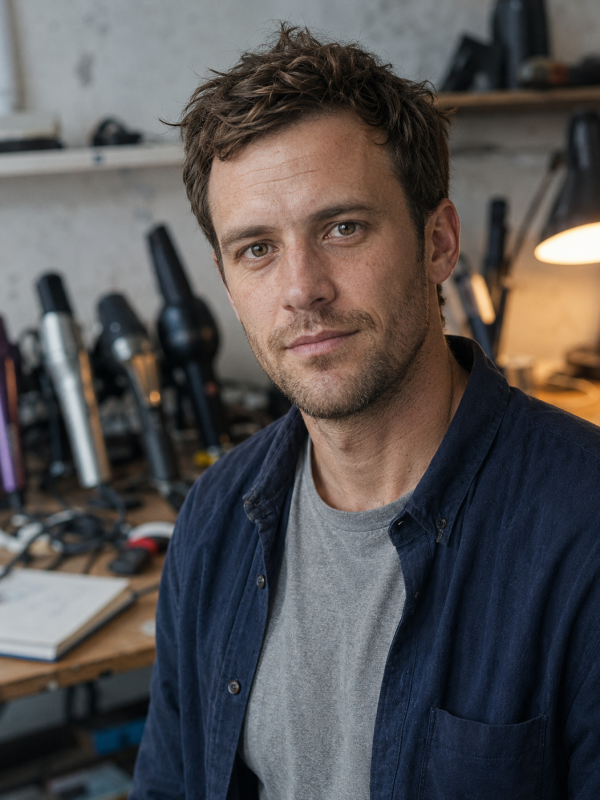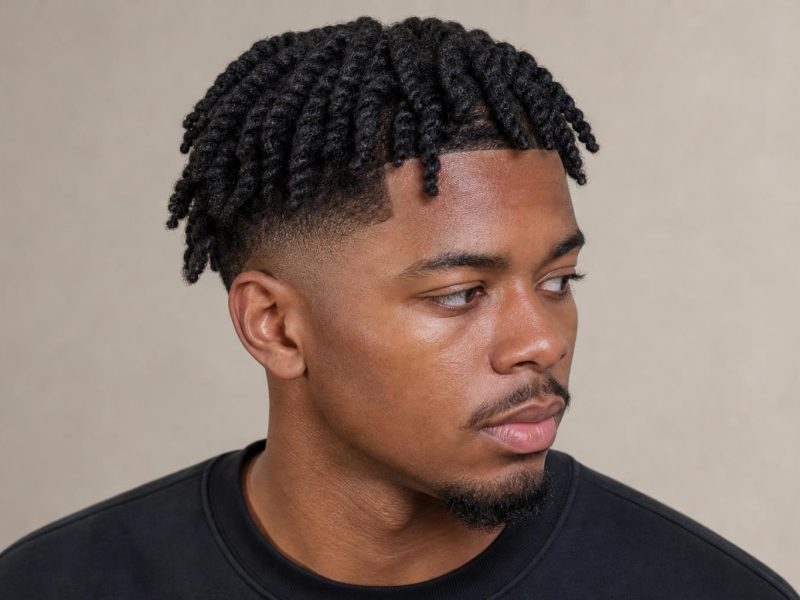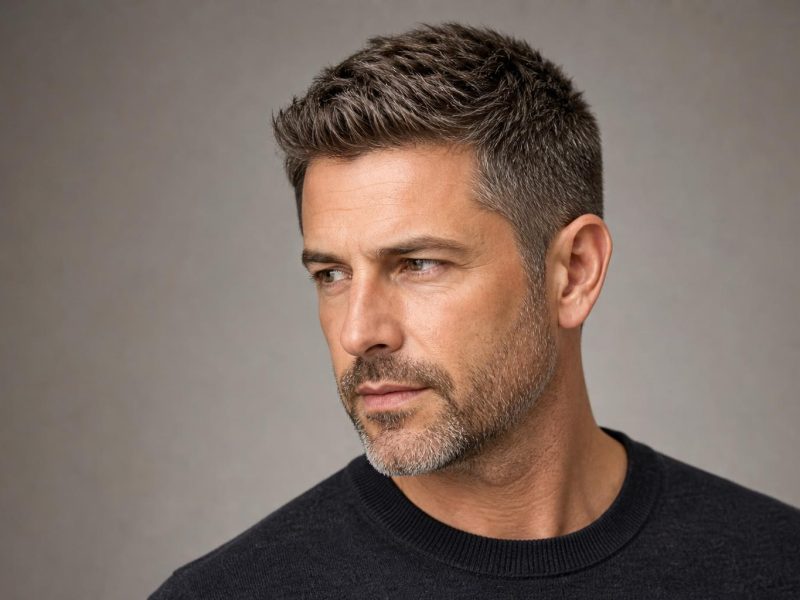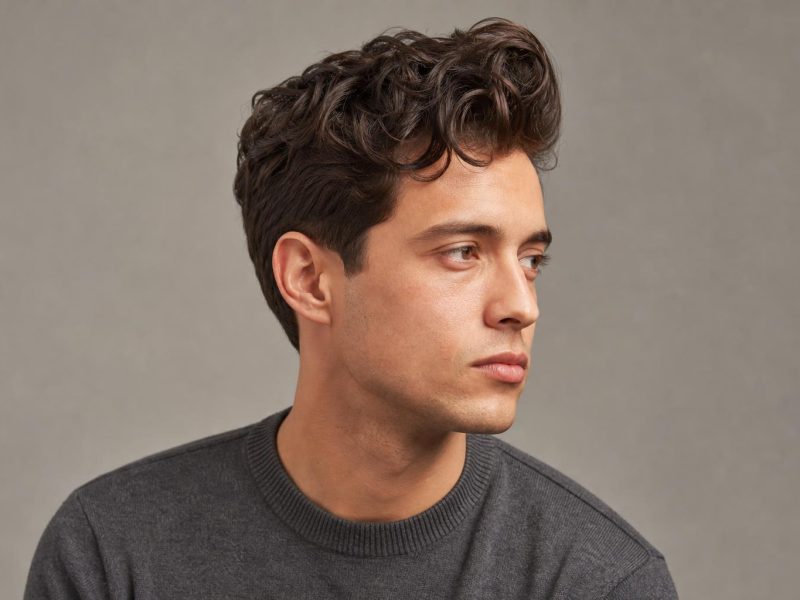

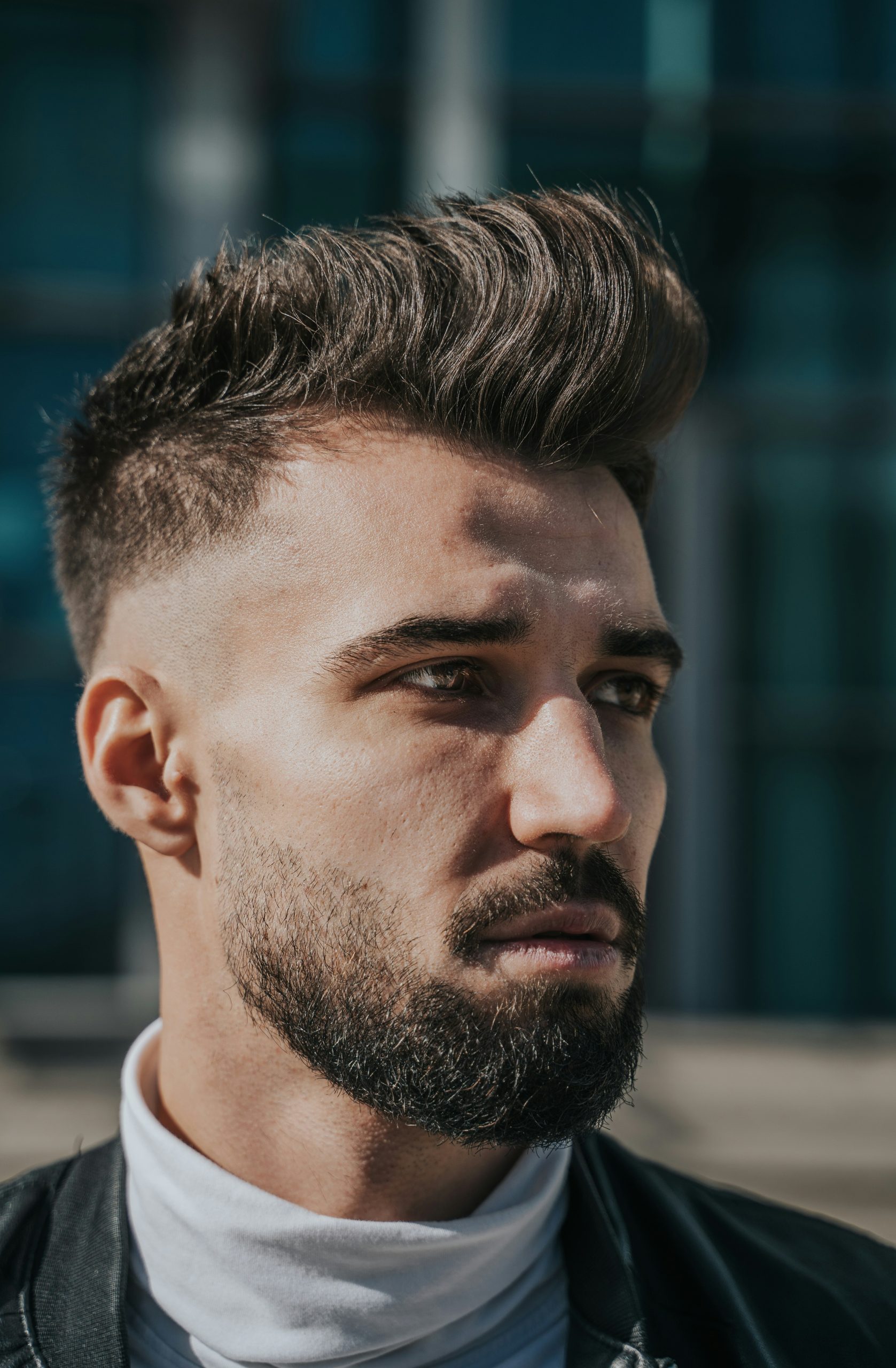

The Garnacho haircut is a blowout taper fade with a heavy, textured fringe pushed forward, the footballer-inspired look made famous by Manchester United’s Alejandro Garnacho.
Strip away the celebrity name and you have a specific, barber-ready cut: short tapered sides that blend up into a voluminous three-to-four-inch top, finished with a choppy fringe that flops forward over the forehead. It works on straight, wavy, and loosely curly hair, and the volume on top makes it a strong choice for round and square faces. This spotlight breaks down the variations worth bringing to your barber, the exact words to ask for, and how to style and maintain that blown-out top.
Below you will find the anatomy of the cut, fifteen variations grouped by fade and fringe, a face shape guide, salon-ready language, and an honest look at the upkeep this volume demands.
| Factor | Details |
|---|---|
| Pro name | Blowout taper fade with a heavy textured fringe |
| Top length | Roughly 3 to 4 inches, kept full and blown forward |
| Best for | Straight, wavy, or loose curly hair; round and square faces |
| Maintenance | Fade touch-up every 2 to 3 weeks; fringe trim every 4 weeks |
| Styling | Blow-dry forward, then matte clay or texture powder |
What the Garnacho Haircut Actually Is
The Garnacho is built on two elements working together: a taper or low-to-mid fade that keeps the sides and back short, and a long, heavy top that is blown forward into a textured fringe. The fade is usually cut with a heavyweight guard line so the top looks bulky and full rather than scooped out. That contrast between tight sides and a voluminous, flopping fringe is the whole signature, the same blueprint behind the blowout taper with a textured fringe.
It sits in the same family as the French crop and the blowout, but the Garnacho version pushes the fringe longer and choppier than a clean crop would. If your barber does not recognize the name, describing it as a blowout taper with a heavy textured fringe gets you there every time. The look leans young, sporty, and deliberately messy.
Stylist tip: Ask your barber to leave the fringe long enough that it falls past your eyebrows before texturizing. Choppy bits that hang off the sides are what make this cut, and a barber who takes too much length leaves you with a plain crop instead of the floppy Garnacho shape.
Classic Garnacho Variations
These are the core versions closest to the look Garnacho himself wears, balancing a clean taper with a full, forward-pushed top. Start here if you want the recognizable footballer cut without any extra twist.
1. The Signature Blowout Taper Garnacho
The textbook version pairs a low taper on the sides with a three-to-four-inch top blown straight forward into a heavy fringe. The sides stay short while the top keeps maximum bulk, giving the strong contrast the cut is known for. Ask for a heavyweight guard line on the fade so the top does not look scooped.
2. Mid Fade Garnacho
Taking the fade higher to a mid position sharpens the whole look and exposes more skin on the sides for a bolder contrast. This version flatters round faces, since the higher fade adds vertical height that lengthens the face. A mid taper gives a softer version of the same idea if a full fade feels too sharp.
3. Low Taper Garnacho
Keeping the taper low and subtle leaves more hair on the sides, which suits anyone who wants the volume on top without dramatic skin exposure. The gentler fade looks more conservative and grows out more gracefully. It is the most office-friendly take on the cut.
4. Garnacho with a Drop Fade
A drop fade curves down behind the ear, following the hairline so the fringe up top looks even fuller by contrast. The dropped shape frames the back of the head and adds a modern edge. Bring a photo, since the drop has to be cut precisely to look deliberate.
5. Clean Crop Garnacho
Trimming the fringe slightly shorter and blunter pulls the Garnacho toward a French crop, a cousin of the center-fed mod cut, while keeping the forward push and the taper. This neater version suits straight hair that holds a tidy line. It is the easiest of the group to style on a busy morning.
Fade and Texture Variations
Changing the fade height, the texture, or the hair type shifts the energy of the cut. This group covers how the Garnacho adapts across different hair and fade choices.
6. Curly Garnacho
Loose curls and waves bring natural texture to the top, so the fringe gets its volume from the curl pattern instead of a blow-dry. The taper keeps the sides controlled while the curls pile up forward. A low taper fade on curly hair is the ideal base for this version.
7. Straight-Hair Blowout Garnacho
Straight hair needs the blow-dry to build the volume curls provide for free, drying the top forward over a round brush or with fingers. The payoff is a sleek, full fringe that holds a clean shape. Texture powder at the roots stops straight hair from falling flat by midday.
8. High Volume Garnacho
Pushing the top length toward the full four inches and blowing it forward hard gives the most exaggerated, voluminous version of the cut. Thick hair carries this best, since fine hair struggles to hold that much height. It makes the strongest statement and needs the most daily styling.
9. Textured Crop Garnacho
Heavy point-cutting through the fringe breaks it into separated, choppy pieces for a messier, more lived-in finish. The added texture suits anyone who wants the cut to look effortless rather than styled. It also disguises thinner spots by scattering the weight.
10. Burst Fade Garnacho
A burst fade arcs around the ear and leaves more length at the back, a sportier variation that pairs well with the forward fringe. The shape nods to the same energy as the modern mullet fade while keeping the Garnacho top. It is a bolder pick for those who want something less standard.
Fringe and Styling Variations
The fringe is the heart of the Garnacho, and small changes to its length and shape change the whole face-framing effect. These versions play with the front piece specifically.
11. Heavy Forward Fringe Garnacho
Keeping the fringe long, full, and pushed straight down over the forehead gives the most dramatic flop, covering more of the forehead for a youthful look. This suits longer face shapes by shortening the forehead visually. It needs the most length up front, so plan a longer grow-out.
12. Side-Swept Garnacho
Sweeping the fringe slightly to one side instead of straight forward softens the cut and suits men who part their hair naturally. The diagonal line flatters square faces by breaking up the angles. It is a subtle change that makes the look feel a little more grown-up.
13. Messy Tousled Garnacho
Roughing the fringe up with a matte clay and your fingers, rather than drying it into a clean sheet, gives the deliberately undone version many players wear off the pitch. The texture hides styling mistakes and survives a long day. This is the lowest-effort way to wear the cut day to day.
14. Edgar-Adjacent Garnacho
Cutting the fringe blunter and straighter across the forehead pulls the Garnacho toward the Edgar cut, trading some of the flop for a sharper line. The squared fringe suits anyone who prefers a defined edge over a messy one. Keep the taper to stay on the Garnacho side of the line.
15. Two-Tone Garnacho
Adding a lightened or bleached top over a darker faded base, the way Garnacho has worn it at times, turns the voluminous fringe into the focal point. The color draws the eye up and exaggerates the contrast with the short sides. Expect a bleached top to need toning and bond care to stay healthy.
How to Choose a Garnacho for Your Face Shape
The height on top is the Garnacho’s main tool for balancing your proportions, since volume up high lengthens a face while the fade controls the width. Match the fade height and fringe direction to your shape for the most flattering result.

| Face Shape | Best Version | Fade Height | Avoid |
|---|---|---|---|
| Round | High-volume top, mid fade | Mid to high | Low volume that widens the face |
| Square | Side-swept fringe, mid fade | Mid | Heavy blunt fringe that hardens the jaw |
| Oval | Almost any version | Low to mid | Nothing major; pick by hair type |
| Long | Heavy forward fringe, low taper | Low | Very high volume that lengthens further |
| Heart | Textured fringe, low fade | Low | Wide-set volume that broadens the forehead |
What to Tell Your Barber
Name the cut as a blowout taper with a heavy textured fringe, then specify the fade height and how much length you want left on top. A reliable script is: “Low taper on the sides with a heavyweight line, leave the top three to four inches, and keep the fringe long and choppy so it falls forward.” Telling the barber not to scoop the top out is the detail that keeps the volume the cut depends on.
Stylist tip: Ask for the fringe to be point-cut, not blunt-cut, unless you want the Edgar-style squared edge. Point cutting leaves the choppy, separated pieces that hang off the sides, while a blunt cut gives a harder line that belongs to a different haircut entirely.
Maintenance and Styling
The Garnacho is higher-upkeep than it looks because the fade needs a touch-up every two to three weeks to keep the sides clean, while the fringe wants a trim around every four weeks to hold its shape. Daily styling runs five to ten minutes: blow the top forward while damp, then work in a matte clay or a dusting of texture powder for hold and separation. Skip shine products, since the look is meant to be matte and textured rather than slick.
Straight hair needs the blow-dry to build volume, while curly hair can often air-dry and skip the heat. Either way, a strong but flexible matte product holds the forward shape without making the fringe stiff. Re-style with a few finger rakes through the day if the volume drops.
When the Garnacho Is Not the Right Choice
The cut leans on volume and a defined fade, so a few situations call for a different look.
- Fine, thin hair: the top struggles to hold three to four inches of volume and falls flat fast. A shorter textured crop holds its shape with far less effort.
- A receding hairline: the heavy forward fringe draws attention to the front hairline rather than disguising it. A shorter crop with a softer fringe sits better.
- No time for daily styling: the blown-forward top needs five to ten minutes most mornings to look right. A simple taper or buzz is a better fit for a hands-off routine.
- A strict grooming environment: the messy, flopping fringe looks young and sporty, which may not suit a formal workplace. A low-taper, side-swept version is the most conservative way to wear it.
FAQ
What Is the Garnacho Haircut Called Professionally?
Barbers know it as a blowout taper fade with a heavy textured fringe. The Garnacho name comes from the Manchester United footballer who popularized the look, but the technical description is what gets you the right cut. If your barber does not recognize the name, the professional terms work every time.
What Length Should the Top Be for a Garnacho?
The top is usually left around three to four inches so it can be blown forward into a full fringe. Shorter than that and you lose the volume and the flop that define the cut. Tell your barber to keep the top bulky rather than scooping it out during the fade.
Does the Garnacho Work on Curly Hair?
Yes, curly and wavy hair suits the Garnacho well, since the natural texture builds the volume without a blow-dry. The taper keeps the sides controlled while the curls pile forward up top. Loose curls hold the shape best, while very tight coils may need a slightly different fringe approach.
How Often Does a Garnacho Need a Trim?
Plan on a fade touch-up every two to three weeks to keep the sides sharp, and a fringe trim about every four weeks. The fade grows out faster than the top, so the sides are what drive the schedule. Stretching the fade too long blurs the contrast the cut relies on.
What Products Style a Garnacho Best?
A matte clay for hold and a texture or volumizing powder for lift and separation are the core products. Blow the top forward while damp first, then work the product through dry hair. Avoid shine-heavy pomades and gels, since the finish should be matte and textured.
Is the Garnacho the Same as a French Crop?
They are close relatives but not identical. A French crop has a shorter, blunter fringe, while the Garnacho keeps the top longer and the fringe choppier and more voluminous. Both use a fade or taper on the sides, so the difference is mostly in the length and texture up top.
The Garnacho haircut delivers a sporty, high-volume look that comes down to two things: a clean taper fade and a long, textured fringe blown forward. Bring a reference photo, ask for a blowout taper with a heavy point-cut fringe, and match the fade height to your face shape. Style it with a matte clay and keep the fade fresh, and the Garnacho haircut stays sharp between the regular barber visits this volume-forward cut needs.
Hair results vary based on your natural hair type, texture, density, and condition. Always consult with a licensed hairstylist before making significant changes, especially with chemical treatments or dramatic length changes. Photos may show styled results that require professional tools and products to replicate.